
Key Takeaways
- Turnkey solutions for HT electric lines streamline project coordination, simplifying multiple phases under a single execution structure.
- Integrated engineering and procurement ensure that electrical infrastructure projects align closely with design and installation requirements.
- Coordinated project execution enhances communication and reduces management complexity in high-tension electrical infrastructure.
- Upgrading existing energy facilities is as crucial as new projects, underscoring the need for comprehensive electrical solutions.
- Testing and commissioning are integral to turnkey projects, facilitating smoother transitions from construction to operational readiness.
Gayatri Group is a leading provider of turnkey electrical infrastructure solutions, including HT electric line projects, substations, electrical panels, and related power distribution work. As India continues to expand industrial, commercial, infrastructure, and utility facilities, dependable high-tension electrical systems have become an important part of project planning. Turnkey solutions for HT electric lines bring multiple stages of electrical project execution together, making them increasingly relevant for organisations developing or upgrading power infrastructure.
What Are Turnkey HT Electric Line Projects?
A turnkey HT electric line project covers multiple stages of electrical infrastructure work through a coordinated project approach. Instead of managing separate agencies for engineering, procurement, installation, testing, and commissioning, the project can be handled through one integrated execution structure.
Gayatri Group describes its turnkey projects as covering design and engineering, procurement and supply, construction and installation, testing, and commissioning. Its service portfolio also includes substations, electrical panels and accessories.
The value of a turnkey approach comes from connecting different project activities into one coordinated workflow.
Why HT Infrastructure Matters to Energy Growth
India’s energy infrastructure is not limited to power generation. Electricity must also be distributed through suitable transmission and distribution systems before it reaches industrial, commercial, institutional, and other facilities.
HT electrical infrastructure forms an important part of this distribution chain for projects that require high-voltage power systems. As organisations develop new facilities or upgrade existing electrical systems, the supporting infrastructure needs to be planned as part of the overall project rather than treated as an isolated installation.
This creates a need for coordinated electrical project execution.
1. One Project Structure for Multiple Activities
One of the strongest reasons turnkey execution is attractive is the ability to bring several activities under one project structure.
An HT electrical project may involve engineering, equipment procurement, installation, testing, commissioning, and coordination between different site activities. Managing these individually can create additional interfaces between parties.
With Turnkey solutions for HT electric lines, these activities can be planned and executed as connected parts of the same project scope.
This can make communication and responsibility clearer for the project owner.
2. Better Coordination Between HT Equipment and Substations
HT electric line work does not operate independently from the rest of an electrical distribution system.
Substations, HT panels, transformers, protection equipment, cables, and downstream systems may all form part of the wider power distribution arrangement, depending on project requirements. Gayatri Group provides indoor and outdoor substation services and downstream work alongside turnkey projects.
Coordinating related electrical systems is essential when developing complete power distribution infrastructure.
3. Reduced Project Management Complexity
Electrical infrastructure projects often involve several technical activities that must happen in a logical sequence.
When different contractors manage separate sections, the project owner may need to coordinate engineering information, material supply, site work, testing, and handover across multiple parties.
A turnkey model places these activities within a more integrated project framework. This can simplify project-level coordination and give the client a clearer point of contact for overall execution.
Reducing the number of vendors is not the only goal. It is to create stronger coordination between the different stages of project delivery.
4. Integrated Engineering and Procurement
Good electrical infrastructure starts with appropriate planning.
Design and engineering influence equipment selection, installation requirements, protection arrangements, and the eventual commissioning process. Procurement also needs to align with the engineering scope and site requirements.
When these functions are connected within the same project, information can move more consistently from planning to material supply and installation.
Gayatri Group specifically identifies design and engineering, procurement and supply, construction and installation, testing, and commissioning within its turnkey service offering.
5. Support for Infrastructure Upgrades
Energy infrastructure growth is not only about completely new projects. Existing facilities may also need electrical upgrades, capacity-related changes, replacement of equipment, or improvements to distribution infrastructure.
Gayatri Group’s website notes experience in high- and low-voltage infrastructure development and power upgradation, along with downstream lighting and power distribution work.
This makes integrated electrical execution relevant to both new installations and infrastructure improvement projects.
6. Testing and Commissioning Become Part of the Project Flow
Installation is only one stage of an electrical infrastructure project. Testing and commissioning are also important parts of putting the system into operation.
In a turnkey structure, testing and commissioning are included within the stated project scope rather than being treated as unrelated activities. This creates a more connected transition from construction to operational handover.
The exact testing and commissioning requirements depend on the project design, equipment, and applicable technical requirements.
Key Areas That Need Coordination
A turnkey HT project can involve several connected areas. Depending on the specific scope, buyers may need to consider:
- HT electric line infrastructure
- Indoor or outdoor substations
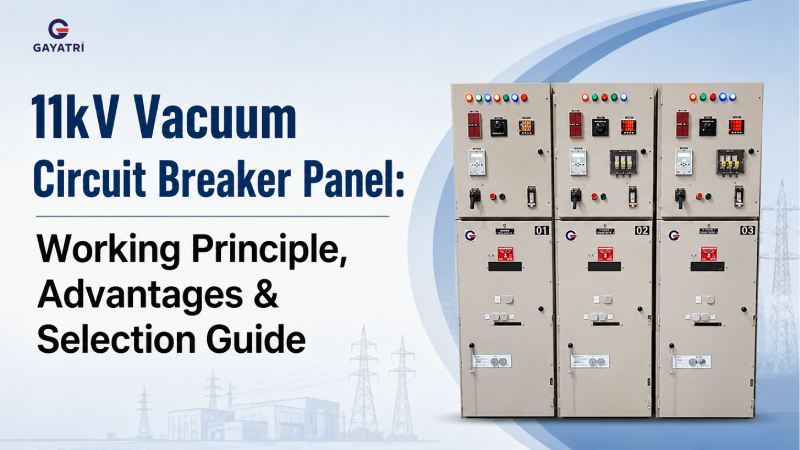
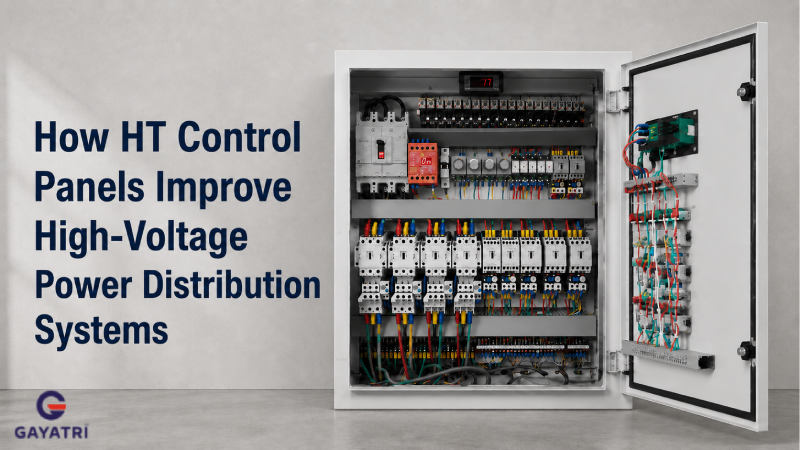
- HT and MV electrical panels
- Transformers and associated equipment
- HT and LT cables
- Earthing systems
- Protection and control systems
- Testing and commissioning activities
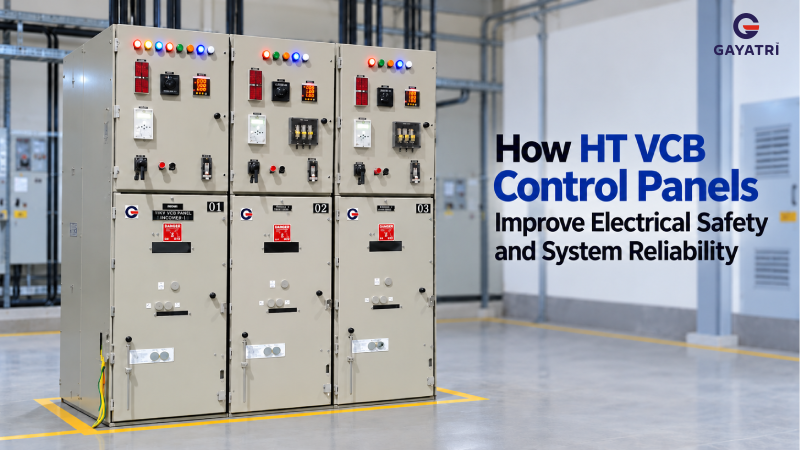
Gayatri Group’s completed-project information includes examples involving HT and LT electrical work, substations, HT VCB panels, transformers, cables, and earthing systems.
How Turnkey Projects Support Modern Infrastructure Development
The growth of industrial facilities, public infrastructure, commercial developments, and other electricity-dependent projects creates demand for organised electrical distribution systems.
Turnkey execution supports this development by connecting technical planning with site execution. Rather than treating each electrical component as a separate purchase or installation, the project can be approached as one coordinated infrastructure requirement.
This integrated approach is particularly useful when multiple electrical systems must work together as part of a single facility.
What B2B Buyers Should Check Before Selecting a Turnkey Partner
The success of a turnkey HT project depends heavily on how clearly the project scope is defined and how effectively the contractor can coordinate its different stages.
Before appointing a project partner, buyers should review:
✔ Engineering and design scope
✔ HT line and substation requirements
✔ Equipment and panel requirements
✔ Procurement responsibilities
✔ Installation and construction scope
✔ Testing and commissioning responsibilities
✔ Documentation and project handover requirements
✔ Site coordination and project communication
A clearly defined scope helps both sides understand responsibilities before execution begins.
Why Choose Us
Gayatri Group brings together electrical contracting, manufacturing, substation services, EPC contracting, and turnkey project capabilities under its service portfolio. The company states that its turnkey offering covers design and engineering, procurement and supply, construction and installation, testing, and commissioning. Our broader electrical offering includes HT, LT, MV and VCB control panels, compact substations, and substation-related services, allowing us to approach electrical infrastructure requirements from a connected project perspective.
Conclusion
India’s energy infrastructure growth requires more than electrical equipment alone. Projects also need coordinated engineering, procurement, installation, testing, and commissioning so that different parts of the power distribution system work as a connected whole. This is where Turnkey solutions for HT electric lines become valuable for businesses and infrastructure developers. By bringing related activities under one project structure, turnkey execution can simplify coordination and support the development, expansion, and upgrading of electrical infrastructure. For B2B buyers, selecting a capable project partner and defining the complete technical scope clearly are key steps toward effective project execution.
Planning an HT electric line or complete electrical infrastructure project? Gayatri Group can discuss your project requirements and the appropriate turnkey execution scope.
Call: +91 9375065185
Email: marketing@gayatrigroup.org
Frequently Asked Questions
What are turnkey solutions for HT electric lines?
Turnkey solutions for HT electric lines refer to a comprehensive approach to electrical projects where all stages—design, engineering, procurement, installation, testing, and commissioning—are managed under a single contract. This integrated execution method enhances coordination and efficiency, making project delivery smoother.
Why are turnkey HT electric line projects important for India's energy infrastructure?
Turnkey HT electric line projects are crucial as they streamline the planning and execution process, addressing the growing demand for reliable high-tension electrical systems in India. They help in integrating various components of power distribution, essential for supporting industrial and commercial infrastructure growth.
How does the turnkey model reduce project management complexity?
The turnkey model simplifies project management by consolidating multiple activities into one integrated structure, reducing the need for coordination between different contractors. This clarity improves communication and responsibility, making it easier for project owners to manage their electrical infrastructure projects.
What should B2B buyers consider when selecting a turnkey partner for HT electric line projects?
B2B buyers should evaluate the contractor’s expertise in engineering and design, their experience with HT line and substation requirements, and their ability to coordinate procurement and installation. A well-defined project scope and clear communication channels are also vital for successful execution.
How do testing and commissioning fit into turnkey solutions for HT electric lines?
In turnkey solutions for HT electric lines, testing and commissioning are included as part of the overall project workflow. This integration ensures that these critical activities are not treated as separate tasks, facilitating a smooth transition from construction to operational readiness.