

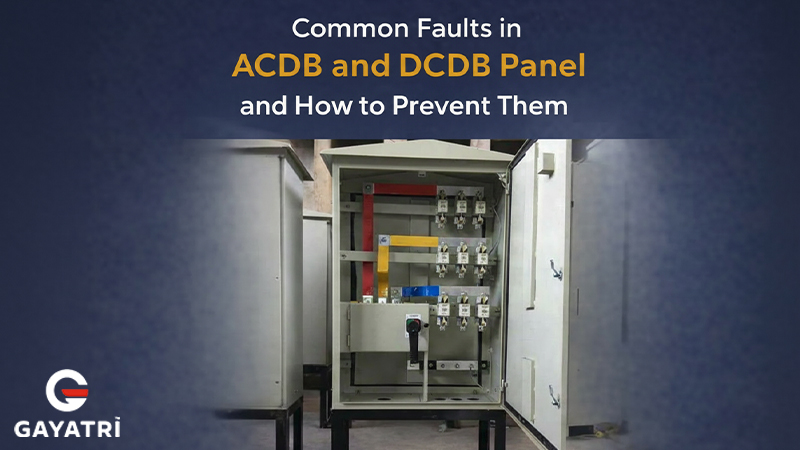
In solar power plants, industry, commercial and infrastructure development, electrical distribution systems are very important. The AC Distribution Boards (ACDB) and DC Distribution Boards (DCDB) are considered as some of the most important parts in these systems. These panels are used in managing, controlling, and distributing power in a safe and efficient manner. They are however prone to failures like any other piece of electrical equipment, they may be the result of improper installation, environmental influences, components failure, or improper maintenance.
most popular failures encountered within ACDB and DCDB Panel systems, the underlying causes, the most realistic measures to prevent them practically, and the best practices to ensure the system is reliable in terms of operation. Gayatri Private Limited as a leading ACDB and DCDB Panel Manufacturer in India aims at providing high-performance solutions that are durable and according to the modern electrical needs.
Understanding ACDB and DCDB Panels
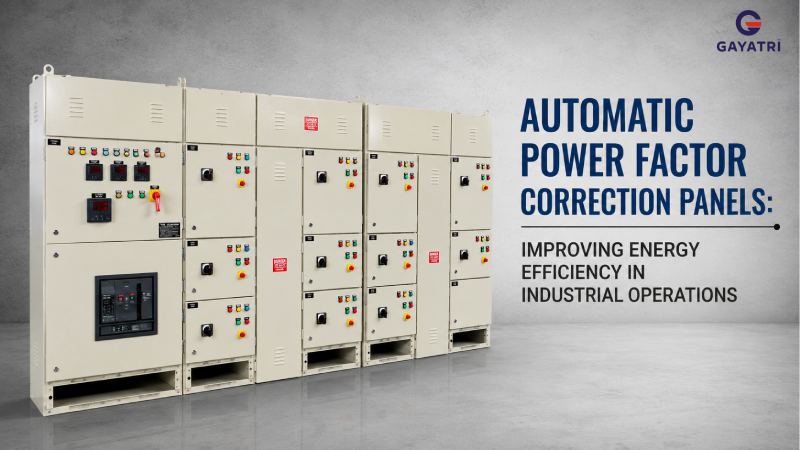
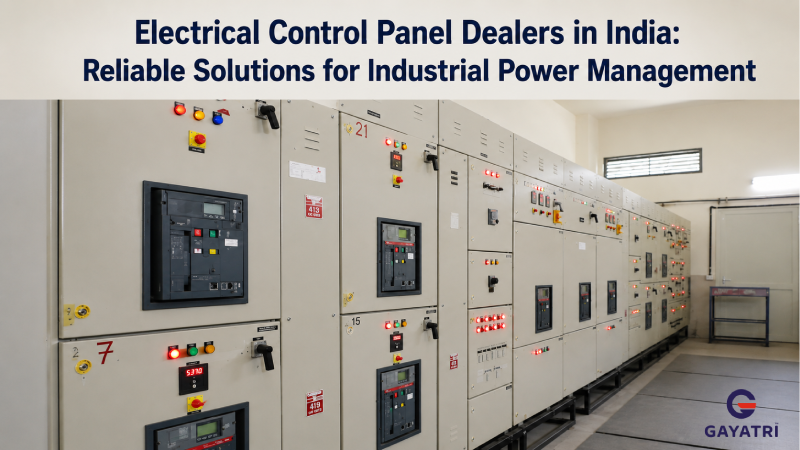
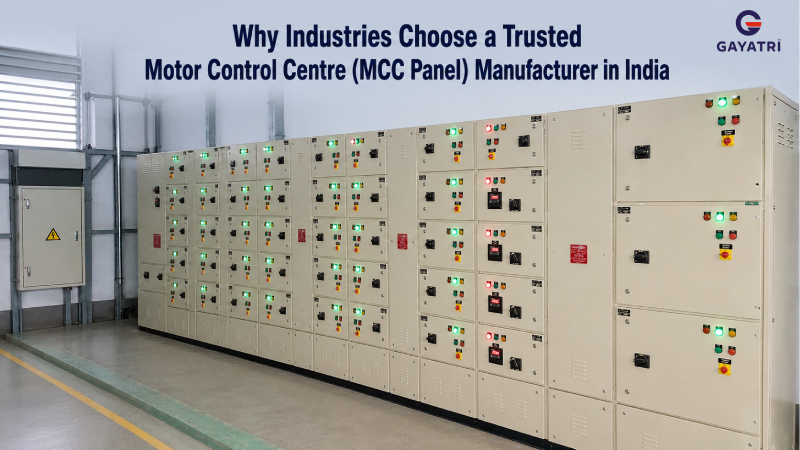
A centralized point of distribution of electrical circuits is an ACDB and DCDB Panel. In solar power in solar power systems, DCDB gathers DC output of solar strings and connects it to the inverter whereas ACDB gathers AC output of the inverter and supplies it to the main load or grid.
An effective panel by the professional ACDB and DCDB Panel Manufacturer in India consists of protective equipment namely MCBs, MCCBs, SPD (Surge Protection Devices), isolators and correct busbar configurations. These elements elaborate in preserving equipment, minimizing downtimes, and enhancing safety levels.
Common Faults in ACDB and DCDB Panels
Loose Electrical Connections
One of the most common faults in the distribution panels is loose connections. They are usually because of vibrating, not tightening them correctly when installing, and expansion and contraction because of heating.
Causes:
- Improper torque during installation
- Frequent load fluctuations
- Mechanical vibration
Risks:
- Overheating
- Arcing
- Insulation damage
- Fire hazards
Prevention:
- High-quality terminals should be used.
- Viable installation procedures.
- Thermal imaging inspections
Such problems are minimized by a good ACDB and DCDB Panel Manufacturer in India designing panels that have secure terminal block and organized wiring design.
Overheating of Components
The effect of overheating can have a considerable effect on the performance of panels. Overheating undermines insulation, destroys internal parts and makes it less efficient.
Causes:
- Overloading
- Poor ventilation
- Incorrect cable sizing
- Faulty breakers
Prevention:
- Proper load calculation
- Adequate ventilation in panel design
- Selection of appropriate cable size
- Regular load monitoring
Gayatri Private Limited manufactures panels with optimized spacing and ventilation to reduce thermal stress.
Surge and Lightning Damage
The external panels and solar installations are prone to lightning strikes or grid variations which cause voltage surge.
Causes:
- Absence of surge protection devices
- Improper earthing
- High exposure to outdoor environments
Effects:
- Damaged breakers
- Inverter failure
- Reduced lifespan of connected equipment
Prevention:
- Installation of high-quality SPD
- Effective grounding system
- Periodic surge protection inspection
Improper Earthing
One of the safety requirements is earthing. Poor grounding may lead to leakage currents, malfunction of equipment and safety hazards.
Causes:
- Incorrect earthing installation
- Corroded grounding conductors
- Loose earthing terminals
Prevention:
- Routine grounding resistance checks
- Corrosion-resistant materials
- Structured grounding layout
Moisture and Dust Ingress
Panels installed in outdoor or industrial environments face exposure to dust, humidity, and water.
Problems Caused:
- Short circuits
- Corrosion
- Insulation breakdown
Prevention:
- Use of IP-rated enclosures
- Gland plates for cable entry
- Regular cleaning and inspection
Breaker Malfunction
Critical protection devices are MCBs, MCCBs and isolators. In case they fail, then the whole system is at risk.
Causes:
- Poor quality components
- Overcurrent stress
- Mechanical wear
Prevention:
- Use of certified components
- Periodic functional testing
- Proper load matching
Incorrect Cable Management
Poor cable routing affect airflow and increases the risk of overheating.
Issues:
- Tangled wiring
- Inadequate labeling
- Increased maintenance difficulty
Prevention:
- Structured cable trays
- Clear labeling
- Proper spacing
Why Choose Us
Gayatri Private Limited is a reliable ACDB and DCDB Panel manufacturing company in India and is highly focused on the quality, safety, and performance of the products. The company incorporates modern engineering principles, high quality manufacturing materials, and systematic design styles to provide the company with dependable distribution solutions. Having a focus on precision manufacturing, close quality control, and adherence to the electrical standards, Gayatri Private Limited provides panels that will work in any industry, commercial, or solar application. Customers prefer Gayatri Private Limited due to technical know-how, the longevity of product life, and the presence of customer service, which provides long-term value for all projects.
Conclusion
The typical issues with ACDB and DCDB panels may interfere with the power system, destroy the equipment connected to it, and pose an operating hazard. Some of the problems that can be linked to poor design, installation, and improper maintenance include loose connections, overheating, surge damage, ingestion of moisture, and malfunction of the breaker. A good ACDB and DCDB Panel Manufacturer in India would greatly minimize these risks. Gayatri Private Limited integrates quality, organized engineering and high level of safety to provide reliable distribution panels. Using proper preventive measures and professional standards of manufacture, ACDB and DCDB panels can serve effectively over several years and still be safe, stable, and able to perform the same electrical task over time.
For expert guidance on Common Faults in ACDB and DCDB Panel at +91 9375065185 or email marketing@gayatrigroup.org.
Key Takeaways
- Majority of ACDB and DCDB faults beginning small: Loose terminals. Slight overheating. Dust buildup. Neglect them and they develop into shutdowns.
- The indicator of an early warning is heat: Poor sizing of cables, bad ventilation and overloading. Panels heat up first. Damage follows later.
- Surge protection and earthing are not an option: Lighting, grid variations, leakage currents. In the absence of SPD and adequate grounding the systems remain open.
- The life of the panels is determined by environment: Wet, dust, exposure to the outside world. Sealing and right IP rating does pay in the long run.
- High daily risk is mitigated through good manufacturing: Installed wiring, good breakers, tested busbars. A robust panel does not allow faults to manifest themselves.
Frequently Asked Questions (FAQs)
What are the differences between the ACDB and DCDB panels?
DCDB takes direct current generated by solar panels and distributes it to the inverter and similarly ACDB takes direct current generated by the inverter and distributes it to the loads or the grid.
What is the frequency of ACDB and DCDB panel inspection?
It should be inspected regularly (after 6 to 12 months), depending on the conditions of operation and load intensity.
What will result in overheating of an ACDB and DCDB Panel?
Common causes are overloading, loose connections, poor cable sizing and poor ventilation.
Why do these panels need surge protection?
Surge protection equipment is used to prevent damage of electrical systems due to lightning and changes in voltage, which can cause equipment damage.
Rationes Why Indian professional ACDB and DCDB Panel Manufacturer?
With a reputable manufacturer, the components are quality tested, the loading is done properly, the wiring is done in structured manner, and all electrical standards are followed to ensure safe and efficient operation.