

Key Takeaways
- Metering panels are essential for accurate power monitoring and energy management in various industries.
- Choosing a reliable Metering Panels Manufacturer in India ensures quality and compliance with electrical standards.
- Proper maintenance of metering panels prevents failures and enhances the accuracy of energy consumption readings.
- Regular thermal imaging surveys can detect developing hotspots, preventing potential electrical failures in metering panels.
- Key specifications like ambient temperature tolerance and IP rating are crucial for optimal panel performance in Indian conditions.
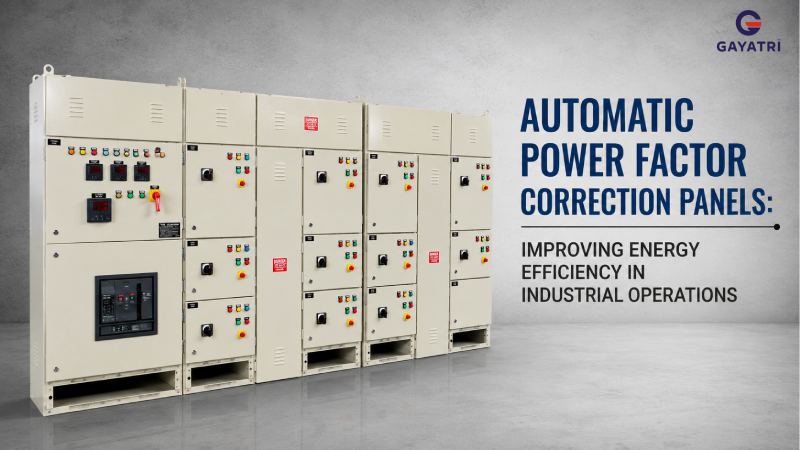
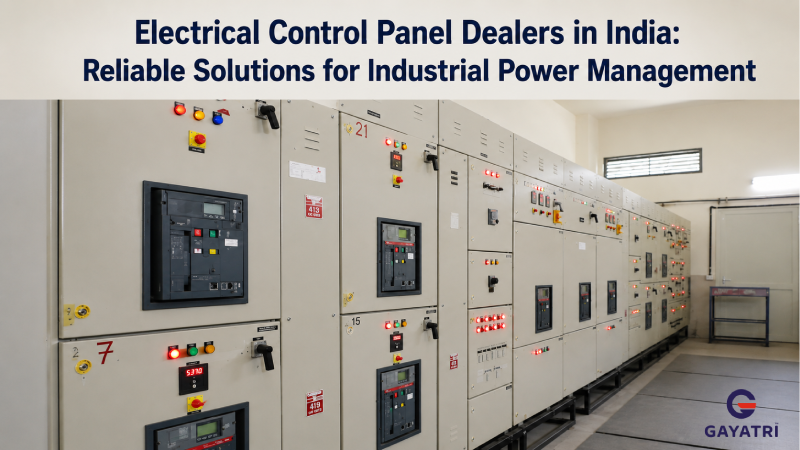
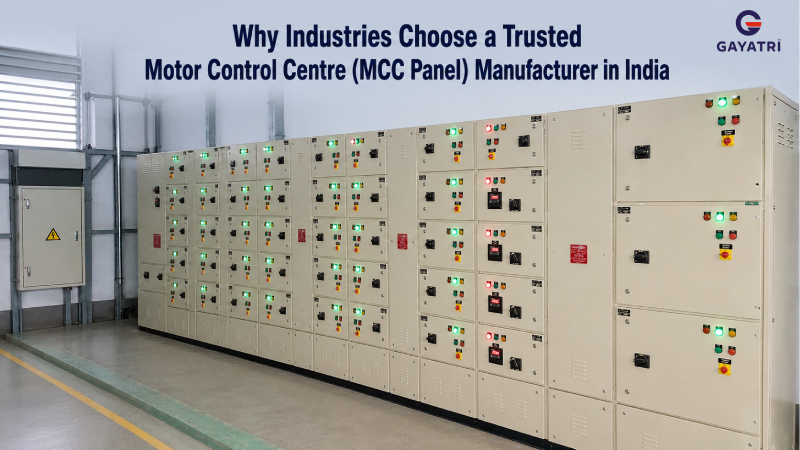
In modern electrical distribution systems, accurate monitoring and measurement of power consumption play a crucial role in operational efficiency and energy management. Metering panels are specially designed electrical panels that house measuring instruments used to monitor electrical parameters such as voltage, current, power factor, frequency, and energy consumption. These panels help industries, commercial buildings, utility providers, and infrastructure projects maintain accurate power monitoring while supporting better decision-making regarding energy utilization.
As industries continue to focus on operational efficiency and cost control, metering panels have become an integral component of electrical systems. Choosing high-quality metering panels from a trusted Metering Panels Manufacturer in India helps organizations maintain system reliability, improve energy visibility, and support compliance with electrical standards. Gayatri Private Limited has established itself as a recognized name in the electrical panel manufacturing sector, offering metering panel solutions designed to meet the varying requirements of industrial and commercial applications.
What Is a Metering Panel and What Does It Do?
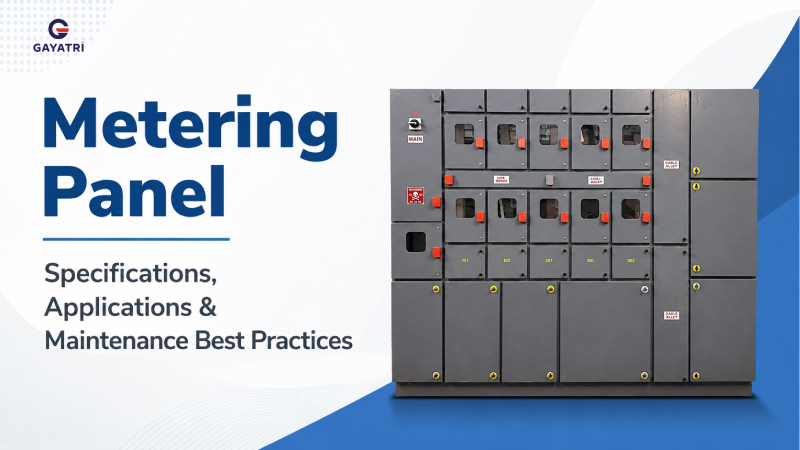
A metering panel is a low-tension (LT) electrical panel specifically designed for the measurement and monitoring of electrical parameters — primarily energy consumption (kWh), but also current, voltage, power factor, maximum demand, and sometimes harmonics in advanced configurations. It houses current transformers (CTs), voltage transformers (VTs), energy meters, protection devices, and in many installations, communication modules for remote monitoring and data logging.
The key distinction between a metering panel and a general distribution panel is purpose. A distribution panel’s primary job is to route and protect power. A metering panel’s primary job is to accurately measure and record it. In practice, many metering panels also perform a distribution function — but the metering function is always the core design driver.
In multi-tenant buildings, industrial plants with multiple production zones, solar power plants, commercial complexes with common area metering, and utility substation installations, metering panels form the backbone of energy accountability. Without them, you simply cannot know who is consuming what — and in today’s energy-cost environment, that blind spot is expensive.
Full Technical Specifications of Gayatri Private Limited’s Metering Panel
When selecting a metering panel, specifications are not just numbers on a datasheet. They define whether the panel will actually perform safely and accurately in your specific installation environment. Here is what Gayatri Private Limited’s Metering Panels are rated for:
Parameter | Value |
Application | Metering and Power Distribution |
Maximum Rated Current | Up to 1600A |
System Voltage | 440V AC |
Rated Insulation Voltage | 690V AC |
Ambient Temperature | Up to 50°C |
Degree of Protection | IP54 |
Let’s look at what each of these means in practical terms.
Maximum Rated Current — Up to 1600A: This is a significant current capacity. It covers everything from small commercial facilities drawing a few hundred amps to large industrial plants operating at full load. The 1600A rating means the panel’s busbars, terminals, and metering transformers are built to handle substantial continuous loads without thermal stress or measurement drift.
System Voltage — 440V AC: This is the standard LT distribution voltage in India for three-phase industrial and commercial supplies. Gayatri Private Limited’s metering panels are designed and tested for this voltage, making them directly compatible with the vast majority of Indian electrical installations without requiring additional voltage matching.
Rated Insulation Voltage — 690V AC: The insulation voltage rating exceeds the system voltage — deliberately. This margin provides a safety buffer that accommodates voltage spikes, transients, and harmonic distortions without compromising insulation integrity. Over the long operational life of a metering panel, this margin is what keeps the panel safe year after year.
Ambient Temperature — Up to 50°C: This specification matters enormously in India. Electrical rooms in factories and outdoor kiosk installations in Gujarat, Rajasthan, and Maharashtra regularly see temperatures well above 40°C in summer. A panel rated only for 40°C ambient will have its components running hot under these conditions, leading to meter drift, accelerated insulation aging, and shortened component life. The 50°C ambient rating in Gayatri Private Limited’s panels is a deliberate design choice for Indian operating conditions.
Degree of Protection — IP54: IP54 means the panel is protected against limited dust ingress and water splashing from any direction. This rating is appropriate for indoor industrial environments, electrical rooms with some exposure to dust or moisture, and semi-protected outdoor locations. It is the standard specification for metering panels in factory switch rooms, utility substations, and multi-tenant building electrical rooms across India.
Applications for Metering Panels Across Industries
The range of industries and settings where a Metering Panel plays an active role is broader than most people realize.
Industrial Manufacturing Plants: Large factories use metering panels at the incoming supply point (for utility tariff metering), at departmental distribution boards (for internal cost allocation), and at individual production lines (for process energy monitoring). This multi-level metering architecture is standard in ISO 50001-certified energy management systems.
Commercial Buildings and IT Parks: Multi-tenant commercial complexes, IT parks, and shopping malls use metering panels to individually meter each tenant’s consumption — the foundation of any fair and auditable billing arrangement. Common area metering for lighting, HVAC, and lifts typically runs through separate panels.
Power Utilities and Substations: Distribution transformers at 11kV/415V substations feed LT consumers through metering panels at the point of supply. These panels are critical for utilities’ own loss calculations, anti-theft monitoring, and consumer billing. Gayatri Private Limited has extensive experience supplying metering panels to this segment through projects with NHPC, IOCL, and Municipal Corporation utilities.
Solar Power Plants: Grid-connected solar installations require metering panels for export-import metering at the grid interface, generation metering at the inverter output, and in net-metering configurations, a bidirectional metering panel that records both import and export energy.
Housing Societies and Residential Complexes: Large residential complexes use centralized metering panels in their electrical rooms to meter individual flat/tower consumption, with the data feeding into the society’s billing system. IP54-rated panels handle the typical electrical room environments in these buildings well.
Railway and Government Installations: Indian Railways traction substations, government office complexes, ISRO facilities, and similar high-accountability installations require metering panels with high-accuracy CTs, sealed metering chambers, and tamper-evident features to support regulatory and audit requirements.
Metering Panel Maintenance Best Practices
A metering panel that is not maintained will drift in accuracy, develop safety hazards, and eventually fail — often at the worst possible time. Here are the maintenance practices that actually make a difference.
Scheduled Visual Inspections: Every three to six months, open the panel and conduct a thorough visual inspection. Look for discoloration on busbars and terminals (a sign of loose connections and resistive heating), signs of moisture ingress, corrosion on metal parts, and any evidence of insect or rodent entry. These early visual signs are almost always detectable before they develop into failures.
Thermal Imaging Surveys: Once a year, a thermographic survey using an infrared camera is the single most effective way to find developing hotspots in a metering panel. Loose CT secondary terminals, corroded busbar joints, and overloaded cables all show up as temperature anomalies well before they cause visible damage. For facilities with high-value operations or continuous processes, infrared surveys are non-negotiable.
CT and Meter Accuracy Verification: Energy meters and CTs drift over time, particularly in high-temperature environments. Periodic accuracy testing — comparing the panel’s meter reading against a calibrated reference meter — is the only way to confirm that your billing and monitoring data remains accurate. For tariff metering panels, the relevant electricity regulations in India specify mandatory periodic testing intervals.
Terminal Tightening: Vibration, thermal cycling, and the natural relaxation of bolted connections mean that terminals in a metering panel will loosen over time. An annual round of torque checking all CT secondary terminals, busbar joints, and meter terminals is a low-cost maintenance activity that prevents a significant proportion of metering failures and fire risks.
CT Secondary Circuit Continuity Check: This is a critical safety point. A CT secondary circuit must never be open-circuited while current is flowing in the primary. An open CT secondary develops a dangerously high voltage that can damage the CT and create a shock hazard. Any maintenance activity involving CT secondary wiring must follow a strict short-before-disconnect procedure.
Cleaning and Enclosure Integrity: Dust accumulation inside a metering panel degrades insulation performance, particularly in humid conditions where dust can absorb moisture and become conductive. Periodic cleaning with dry compressed air (never water or damp cloths) and check that all cable entry glands, door gaskets, and ventilation filters are intact and sealing properly are straightforward but genuinely important maintenance tasks.
Meter Display and Communication Function Checks: For panels with smart meters and communication outputs, periodic verification that the meter is correctly recording all parameters and that the data communication link to the BMS or energy management system is functioning properly should be part of the regular maintenance schedule.
Why Choose us
Gayatri Private Limited is not a company that started making metering panels recently to catch a market trend. The company brings over 40 years of hands-on electrical panel manufacturing experience to every product it builds, backed by a portfolio of more than 5,000 completed projects across India’s most demanding sectors. Working with organizations like ISRO, NHPC, IOCL, Indian Railways, and Municipal Corporations has given the company a deep, practical understanding of what a metering panel needs to do in the real world — not just on a specification sheet. As a trusted Metering Panels Manufacturer in India, Gayatri Private Limited designs its panels with the 50°C ambient reality of Indian installations in mind, uses components that are rated for the long haul, and backs every product with the kind of engineering support that comes from genuine field experience across 2,500 satisfied clients and over 100 product types.
Conclusion
A metering panel is the precision instrument of your electrical distribution system. Get the specifications right — current rating, insulation voltage, ambient temperature tolerance, IP protection — and it runs accurately and safely for its entire service life. Neglect the maintenance, and it quietly becomes an expensive liability. Gayatri Private Limited’s metering panels are built to handle India’s electrical realities: high ambient temperatures, demanding industrial environments, and the accountability requirements of both private and government-sector installations. With the right panel and the right maintenance discipline, your energy data stays accurate and your system stays safe.
Get accurate specs, competitive pricing, and expert guidance from Gayatri Private Limited — India’s trusted Metering Panels Manufacturer in India for industrial, commercial, and utility installations.
Call us: +91 9375065185 Email us: marketing@gayatrigroup.org
Frequently Asked Questions
What is the importance of metering panels in electrical distribution systems?
Metering panels play a crucial role in accurately monitoring and measuring power consumption, which enhances operational efficiency and energy management. They enable industries to maintain energy accountability and make informed decisions regarding energy utilization.
What are the specifications to look for in a metering panel?
Key specifications include maximum rated current, system voltage, rated insulation voltage, ambient temperature tolerance, and degree of protection. These factors ensure the panel performs safely and accurately in your specific installation environment.
How does Gayatri Private Limited ensure the quality of its metering panels?
With over 40 years of experience, Gayatri Private Limited designs its metering panels specifically for Indian conditions, using high-quality components rated for performance and durability. Their commitment is backed by extensive field experience and a portfolio of over 5,000 successfully completed projects.
What maintenance practices are recommended for metering panels?
Routine maintenance includes scheduled visual inspections, thermal imaging surveys, accuracy verification of energy meters and CTs, terminal tightening, and cleaning the panel. These practices help ensure the panel operates effectively and remains reliable over time.
Why should I choose Gayatri Private Limited as my metering panels manufacturer in India?
Gayatri Private Limited offers a combination of extensive industry experience, tailored designs for local conditions, and a commitment to quality. Their panels support high ambient temperatures and meet the needs of various sectors, backed by exceptional customer service and engineering support.